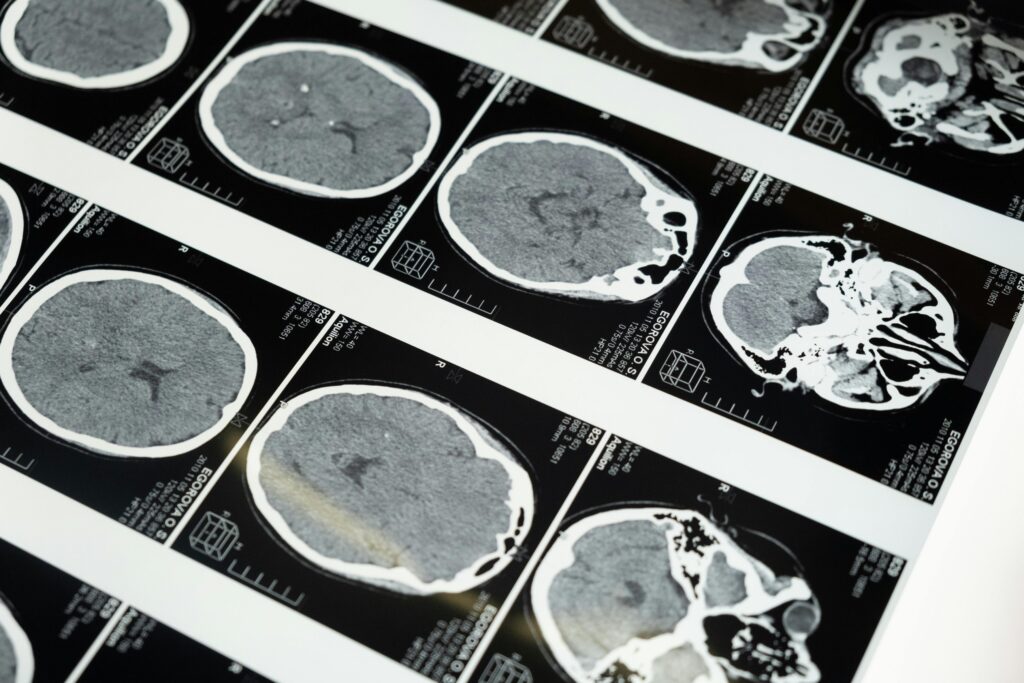
Addiction is not simply a behavioral issue or a matter of poor choices. It is a complex medical condition that changes how the brain functions and how the body responds to stress, reward, and survival. Understanding how addiction affects the brain and body in North Florida can help reduce stigma and encourage earlier treatment. When people see addiction as a health condition rather than a moral failing, they are more likely to seek compassionate care.
Families across North Florida often witness physical and emotional changes in a loved one without fully understanding what is happening beneath the surface. Substance use alters communication pathways in the brain and disrupts essential bodily systems. Over time, these changes can make stopping feel nearly impossible without professional support. Learning how addiction affects the brain and body in North Florida empowers individuals to act before long term damage occurs.
The Brain’s Reward System and Addiction
The brain is designed to reinforce behaviors that promote survival, such as eating, bonding, and resting. It does this through the release of dopamine, a neurotransmitter associated with pleasure and motivation. Drugs and alcohol artificially flood the brain with dopamine, creating a powerful surge of reward. This surge is significantly stronger than natural rewards, which makes substances highly reinforcing.
As addiction develops, the brain adapts to repeated exposure. It reduces its natural dopamine production and becomes less sensitive to everyday pleasures. Activities that once brought joy may feel dull or uninteresting. This is a central way how addiction affects the brain and body in North Florida, as individuals begin prioritizing substance use over relationships and responsibilities.
Over time, the brain rewires itself to seek the substance as a primary source of reward. Cravings intensify, and impulse control weakens. Even when someone understands the negative consequences, the drive to use can feel overwhelming. These neurological changes explain why willpower alone is rarely enough to overcome addiction.
Changes in Decision Making and Impulse Control
Addiction impacts the prefrontal cortex, the area of the brain responsible for decision making and self-regulation. When this region is compromised, judgment becomes impaired. Individuals may engage in behaviors they previously would have avoided. Risk taking increases, and the ability to weigh consequences diminishes.
Understanding how addiction affects the brain and body in North Florida includes recognizing these cognitive shifts. Someone may promise to stop using yet repeatedly return to substances despite serious consequences. This pattern reflects altered brain function rather than intentional disregard for loved ones. The cycle of guilt and relapse often deepens without structured intervention. As the condition progresses, stress responses also become dysregulated. Small challenges can feel overwhelming, increasing the urge to use as a coping mechanism. Treatment helps restore healthier patterns of thinking and emotional regulation. Therapy and medical support work together to strengthen impulse control over time.
Physical Dependence and Withdrawal
The body adapts to the presence of drugs or alcohol through a process known as physical dependence. As tolerance develops, larger amounts of a substance are required to achieve the same effect. When use decreases or stops, withdrawal symptoms can emerge. These symptoms may include nausea, tremors, sweating, anxiety, or insomnia. How addiction affects the brain and body in North Florida becomes especially clear during withdrawal. The body struggles to regain balance without the substance it has grown accustomed to. In some cases, withdrawal can be medically dangerous without supervision. Professional detox services ensure safety and comfort during this critical phase.
Repeated cycles of intoxication and withdrawal strain multiple organ systems. The liver, heart, lungs, and digestive system may all experience damage over time. Early intervention reduces the risk of permanent health complications. Medical monitoring during treatment supports gradual stabilization and recovery.
The Impact on Mental Health
Addiction and mental health are deeply intertwined. Many individuals begin using substances to cope with anxiety, depression, trauma, or chronic stress. While substances may offer temporary relief, they often worsen underlying mental health symptoms. This interaction is a significant part of how addiction affects the brain and body in North Florida.
Long term substance use can increase the risk of mood disorders, paranoia, and cognitive impairment. Emotional instability may intensify as brain chemistry shifts. Sleep disruption and nutritional deficiencies further compound these effects. Without addressing both addiction and mental health simultaneously, recovery can be more challenging. Integrated treatment approaches focus on dual diagnosis care. This means addressing substance use and co-occurring mental health conditions together. Therapy, medication management when appropriate, and holistic support create a comprehensive recovery plan. Healing becomes more sustainable when all contributing factors are treated.
Effects on the Body’s Vital Systems
Addiction does not only alter brain function. It also impacts nearly every major system in the body. The cardiovascular system may experience increased blood pressure, irregular heart rhythms, or elevated risk of stroke. Respiratory issues can develop depending on the substance used. Digestive problems and weakened immune response are also common.
Recognizing how addiction affects the brain and body in North Florida includes understanding these systemic risks. Chronic alcohol use can lead to liver disease. Opioid misuse may suppress breathing and increase overdose risk. Stimulant use can strain the heart and nervous system. These physical consequences often progress gradually. Individuals may ignore symptoms until they become severe. Seeking treatment early can interrupt this progression. Medical evaluation during addiction treatment helps assess and address underlying health concerns.
Cognitive and Emotional Consequences
Cognitive functions such as memory, concentration, and learning ability can decline with prolonged substance use. Tasks that once felt simple may become difficult. Decision making may feel clouded or slowed. These impairments reflect the neurological impact of addiction.
How addiction affects the brain and body in North Florida also includes emotional consequences such as irritability and hopelessness. Relationships often suffer as communication breaks down. Trust may erode within families. Emotional withdrawal can create isolation that further fuels substance use.
Common neurological and emotional effects include:
- Reduced ability to experience natural pleasure
- Impaired judgment and risk assessment
- Heightened stress response and anxiety
- Difficulty concentrating or remembering details
These changes are not permanent in every case. With sustained sobriety and professional treatment, the brain has the capacity to heal. Neuroplasticity allows new pathways to form over time.
The Importance of Professional Treatment
Understanding how addiction affects the brain and body in North Florida highlights why professional treatment is essential. Addiction is not a condition that typically resolves without structured care. Medical supervision ensures safe detoxification and stabilization. Clinical therapy addresses the behavioral and emotional aspects of recovery.
Treatment programs in North Florida offer multiple levels of care to meet individual needs. Residential treatment provides intensive support during early recovery. Partial hospitalization and intensive outpatient programs allow continued therapeutic engagement with increasing independence. Each level reinforces the healing process. Recovery involves rebuilding both brain function and physical health. Nutritional support, sleep regulation, and wellness services strengthen the body. Therapy helps reframe thought patterns and improve coping skills. Over time, these combined efforts restore balance and resilience.
A Path Toward Healing in North Florida
If you are searching for information about how addiction affects the brain and body in North Florida, you may be concerned about yourself or someone you love. Recognizing the physical and neurological impact of addiction is the first step toward change. Knowledge reduces shame and opens the door to hope. Treatment offers the opportunity to interrupt harmful cycles and begin rebuilding health.
At The Wave North Florida, compassionate professionals understand the science behind addiction and the human experience of recovery. Our team provides evidence-based care that addresses both the brain and the body. Healing is possible with the right support and structure. If you or a loved one is struggling, contact us today to learn more about addiction treatment in North Florida and take the first step toward lasting recovery.