The Geography of Challenge
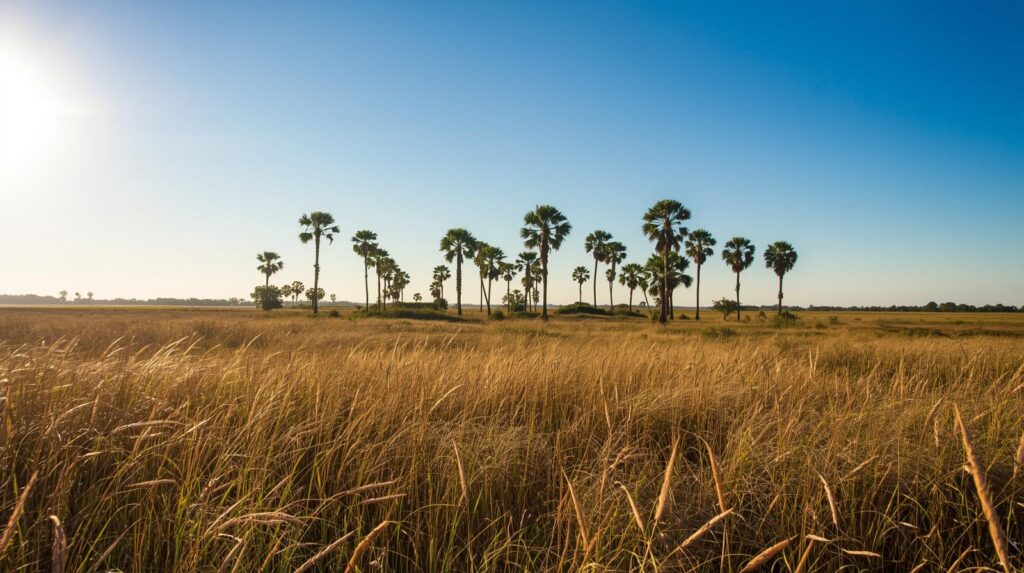
In the quiet stretches of North Florida, recovery can feel far away. Small towns surrounded by farmland and forests often lack nearby treatment facilities, making it difficult for residents to find the help they need. For people living outside major cities, the distance to care can be a greater obstacle than the addiction itself.
Rural communities face unique challenges when it comes to accessing addiction treatment. Public transportation is limited, and private travel can be costly or unavailable. Roads that stretch for miles between small towns become symbols of isolation for individuals ready to seek help but unsure how to get there.
These barriers create a hidden crisis. The need for care is real, but the logistics of reaching treatment can make the journey seem impossible. For many, rural addiction treatment in Florida is not a question of willingness but of access.
How Rural Isolation Affects Recovery
Living in a rural area can bring peace and connection to nature, but it can also mean separation from essential healthcare resources. The lack of nearby treatment centers forces many to delay seeking help. This delay allows addiction to worsen, sometimes until it becomes life-threatening. Isolation also limits exposure to recovery communities. In cities, peer groups and therapy programs provide regular support, but rural residents often have few local options. Without encouragement or accountability, motivation to pursue treatment can fade.
The challenge is not just distance but disconnection. When access to professional care and social support is restricted, addiction thrives in silence.
Transportation Barriers in Rural North Florida
Transportation is one of the most persistent barriers to rural addiction treatment Florida residents face. Few small towns have reliable public transit, and many residents do not own vehicles. For those who do, the cost of fuel and travel time can make attending treatment unrealistic. Emergency services also struggle with distance. In rural areas, ambulances and crisis response teams may take significantly longer to reach those in medical distress. This delay can mean the difference between life and death for someone experiencing an overdose or withdrawal complications. When treatment is available only hours away, individuals must make difficult choices between their health and their responsibilities at home or work. Without practical solutions, even the best treatment programs remain out of reach for many rural residents.
The Importance of Residential Care
Residential treatment provides a safe and structured environment that can be especially beneficial for people in rural communities. When local resources are limited, traveling to a facility that offers round-the-clock support can be life-changing. It removes the person from environments that reinforce substance use and allows them to focus entirely on recovery.
For many residents of rural North Florida, entering a residential program is the first time they experience consistent access to mental health support, medical care, and therapy. This environment helps individuals stabilize and develop the skills they need to sustain recovery when they return home.
Residential care bridges the gap between isolation and opportunity, creating a pathway that would not otherwise exist.
Financial and Logistical Hurdles
The decision to seek treatment often collides with the realities of cost, travel, and time away from family. Many people living in rural Florida work in agriculture, construction, or small businesses that cannot afford long absences. Without paid leave or transportation assistance, entering residential care feels financially impossible.
Insurance coverage can also complicate matters. Some plans do not cover out-of-county or out-of-network treatment, leaving individuals to navigate complex systems while already under emotional strain. Even when help is available, the paperwork, phone calls, and approval processes can discourage people from pursuing care. To make treatment more accessible, programs must consider the financial and logistical realities of rural life. Sliding-scale fees, telehealth intake assessments, and transportation support can make the difference between isolation and recovery.
The Emotional Toll of Distance
Distance does not only create logistical obstacles; it also carries an emotional cost. Leaving home to seek treatment can feel like leaving behind one’s identity, family, or responsibilities. For rural residents deeply tied to their communities, this emotional separation can cause guilt or fear of being judged.
In small towns, privacy is also limited. Many people hesitate to seek help because they worry that others will find out. This fear of stigma can delay treatment until the situation becomes critical. By the time someone decides to seek care, the emotional burden may be compounded by feelings of failure or shame. Creating supportive and confidential pathways to treatment helps ease these fears. When individuals feel safe and respected, they are more likely to reach out for help.
How Telehealth Expands Access
Advancements in telehealth have made treatment more accessible to rural communities across Florida. Virtual counseling, therapy sessions, and medical consultations allow individuals to begin their recovery journey from home. For those with limited transportation, telehealth can be a vital first step toward stability. However, internet access remains inconsistent in many rural areas. Without broadband infrastructure, virtual care cannot fully replace in-person services. Expanding internet access and digital literacy in rural Florida is essential to ensure that telehealth can serve as a reliable bridge to treatment. When combined with in-person care options, telehealth provides continuity. It keeps individuals connected to professional support even after returning home from residential treatment.
The Role of Community Partnerships
Community collaboration is crucial for addressing transportation barriers and expanding access to care. Local churches, nonprofits, and public health organizations can provide transportation vouchers, coordinate ride-sharing programs, or organize mobile health clinics that reach remote areas. These partnerships create lifelines for individuals who might otherwise be cut off from help. They also build trust between communities and treatment providers, helping to reduce stigma and encourage open conversations about addiction. By investing in local infrastructure and shared resources, Florida can transform rural addiction treatment from a challenge into a coordinated effort that strengthens entire communities.
Reducing Stigma in Rural Communities
Stigma remains one of the most powerful barriers to recovery. In small towns, people often know one another well, which can make privacy difficult. Fear of judgment keeps many residents from seeking treatment, even when they desperately want help. Education and awareness can shift this culture. When communities discuss addiction as a health issue rather than a moral failure, they create space for healing. Schools, churches, and local leaders can play a key role in spreading compassion and understanding.
Reducing stigma not only helps individuals feel safe to seek treatment but also builds stronger, more resilient communities where recovery is seen as an act of courage rather than shame.
Creating Pathways to Healing
Access to care should not depend on geography. Every person in Florida, regardless of where they live, deserves the opportunity to recover from addiction in a safe and supportive environment. Bridging the gap between rural isolation and treatment access requires creativity, compassion, and collaboration.
At The Wave of North Florida, treatment offers structure, therapy, and guidance for those ready to rebuild their lives. The goal is to bring healing within reach of every individual, no matter how far they live from major cities.
Recovery begins with access, and access begins with understanding. When communities come together to overcome distance, hope replaces isolation, and healing becomes possible for all.